Volunteering platform mvp
(03)
Nükraine (MVP) it's a platform for grass-roots humanitarian aid during the Russian-Ukrainian war. It helps people find donors and connect with volunteers.
Published
2024
Copyright
Nukraine
Objective
The core objective was to create a transparent, decentralized, and user-friendly platform where volunteers could unite, find donors, and receive funding for humanitarian projects.The MVP aimed to be robust enough to attract investment for future development, including admin dashboards, dynamic statistics, gamification, and ultimately, an ecosystem for innovation in Ukrainian civil volunteering.
Problem Statement
During wartime, volunteers need to respond fast. Yet the tools they use are often scattered, unintuitive, and lack a central space to coordinate efforts. There's no standardized platform to form teams, connect with donors, and streamline humanitarian missions.
This results in:
- Fragmentation of tools.
- Lack of visibility and transparency.
- Uncertainty and inefficiency in forming initiatives.
Meanwhile, local volunteer communities were self-organizing rapidly — from rebuilding bombed cities to delivering clean water and medicine. We saw the urgency in laying a digital foundation for long-term, institutional volunteering in Ukraine.
Chalanges
- Crisis conditions (wartime, limited resources, emotional stress).
- Remote team working 24/7 across different time zones.
- Tight deadlines and need for rapid delivery.
- Technical constraints: No-code/low-code stack (Webflow, Lovable) meant balancing speed with limitations.
- Constant unpredictability: both from the war and early-stage startup realities.
Approach
As the designer, I focused on rapid Prototyping/Feedback cycles. I built a lightweight design system and iterated daily on prototypes to maintain momentum.Thanks to our volunteer experience and personal networks, we had access to real-time user interviews and testing. It reminded me of game design sprints — where constant playtesting drives progress.
Solution
We created:
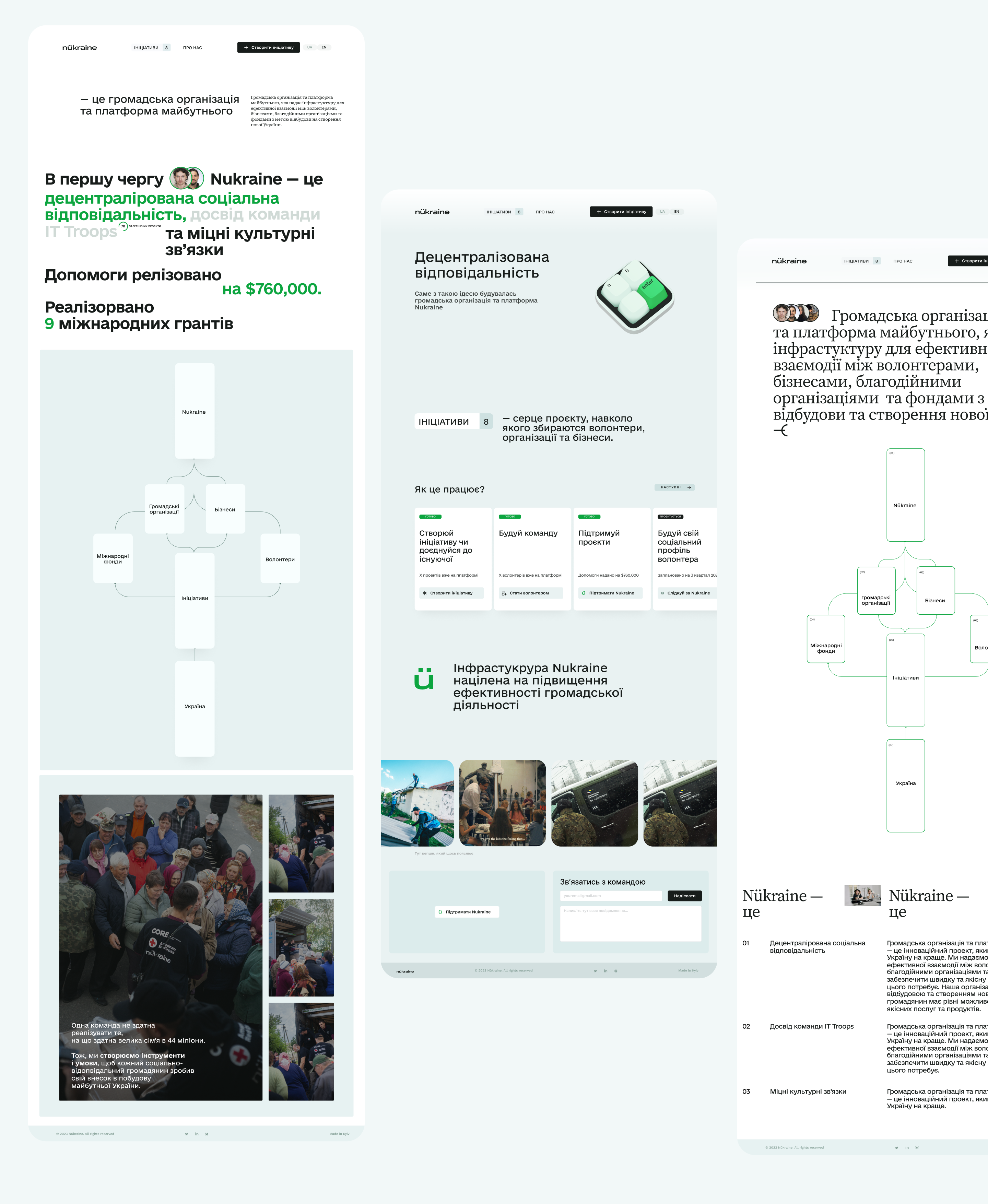
- A series of project-focused landing pages and templates.
- Remote team working 24/7 across different time zones.
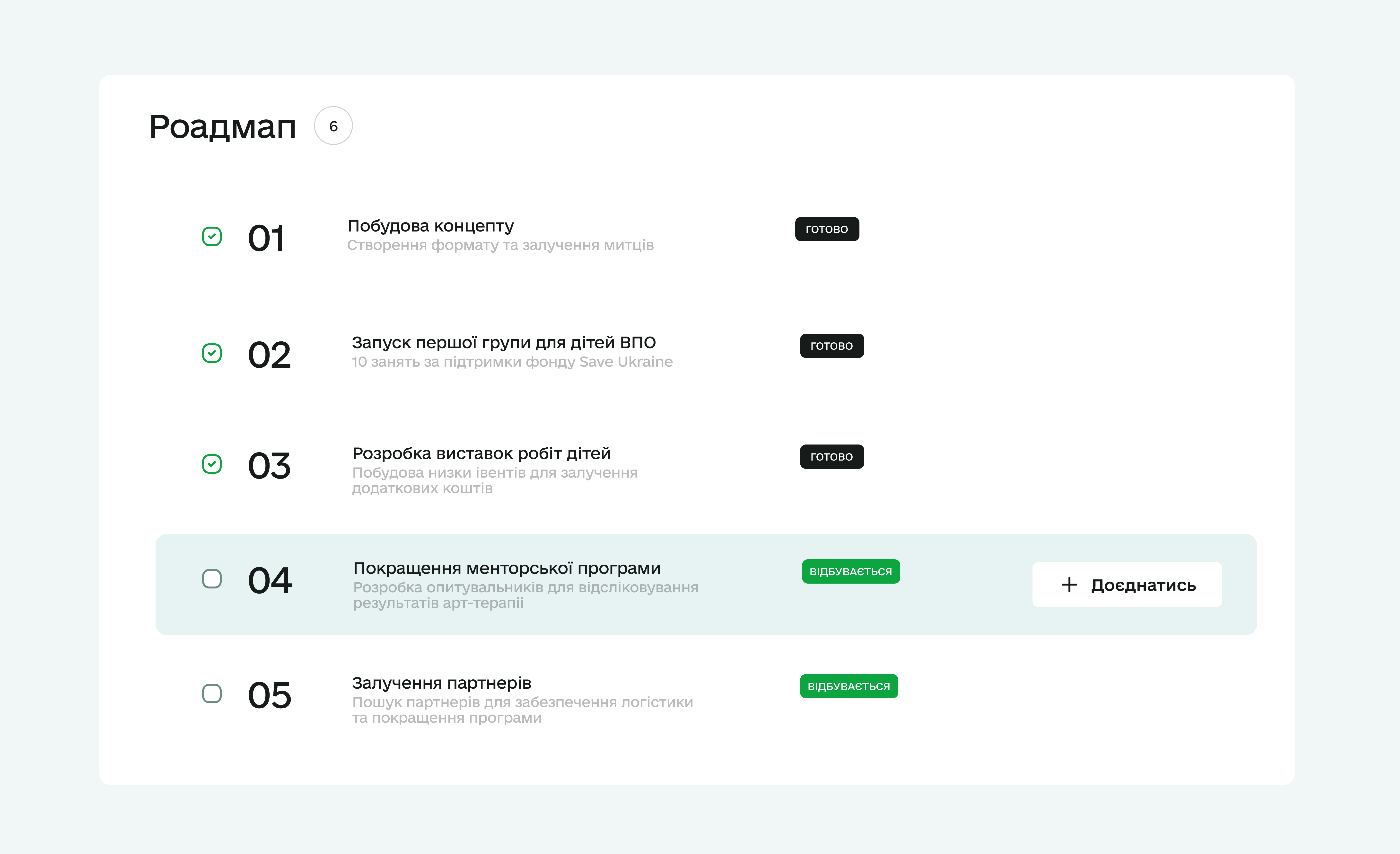
- Detailed project cards with goal tracking, timelines, photo galleries (e.g., real-time rebuilding progress), and social integrations.
- A high-fidelity interactive prototype built in Webflow + JS, optimized for fast iteration.
Outpoot
- Figma-based component system and flows.
- Prototypes used for team testing and feedback.
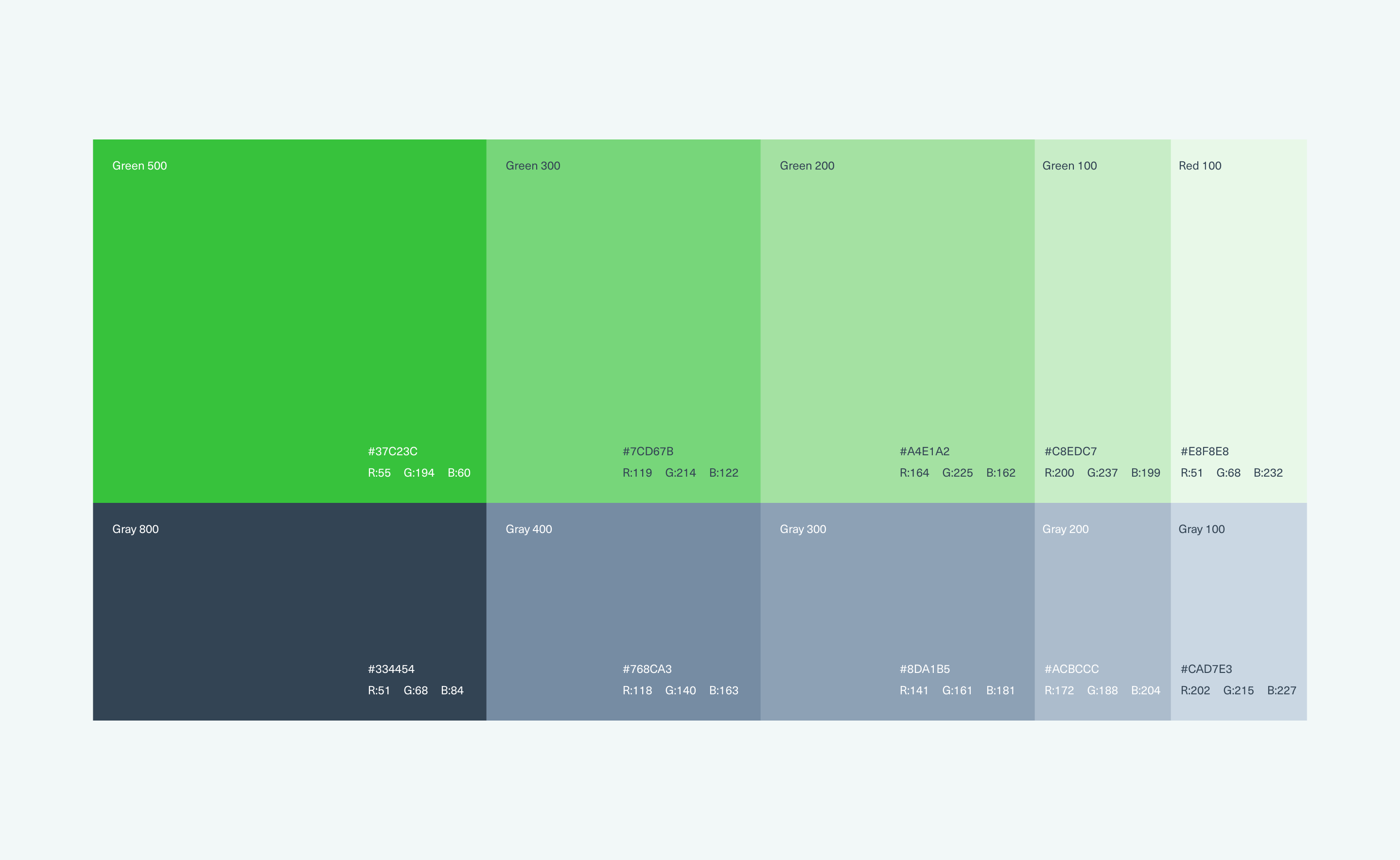
- Living UI kit and dev handoff guidelines.
- Operational MVP that helped us collect a live user base and secure conversations with potential backers.
My role
Led UX/UI design and design strategy
Built and maintained the design system; created all prototypes and flows; conducted testing and processed feedback from stakeholders.
Process
The chaos of war shaped our process: traditional double-diamond became compressed. We focused on fast prototyping and testing. Research happened in real time — through volunteers we knew, real field interviews, and constant refinement. That’s how we stayed adaptive and delivered results despite the crisis.
Go Back
Persona
User flow